
The cover that really matters on safari and on Kilimanjaro
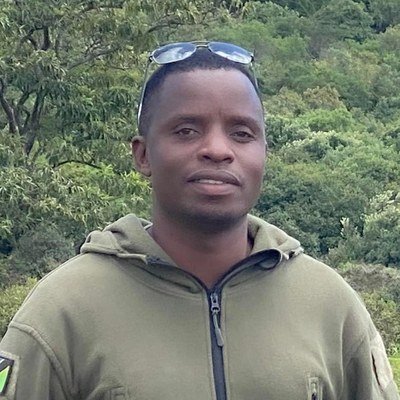 Written by Alphonce Kishoke, Director of Abakombe Tours, Tanzania · Updated November 15, 2026
Travel insurance is essential for a Tanzania safari, and many operators — including us — require it. But policies vary a lot. Here are the points that matter most.
Safari parks are far from major hospitals. Make sure your policy covers emergency evacuation by air to a suitable hospital (for example in Nairobi or Dar es Salaam) and, if needed, repatriation home. Check the limit — evacuation can be very expensive.
Look for generous medical cover, including hospital stays and treatment abroad.
Many standard policies exclude trekking above a certain altitude. Kilimanjaro's summit is 5,895 m, so you need a policy that explicitly covers trekking to 6,000 m.
Safaris are usually paid in advance. Check that you are covered if you have to cancel or cut your trip short for illness, family emergencies or flight disruption.
Cameras and lenses often exceed standard single-item limits. Add specific cover for expensive equipment.
Check that activities like hot-air balloon flights, walking safaris, snorkelling and diving in Zanzibar are covered.
Some travellers add a short-term membership with the AMREF Flying Doctors evacuation service. It complements, but does not replace, full travel insurance.
Questions about what your trip includes? Ask us — we are happy to help you check.
Tell us your dates and what you're picturing — we'll reply with a real, tailored quote within 24 hours.
Request a Free Quote 4.6/5 ★★★★★Read us on SafariBookings
Travelling solo or as a couple? Join a shared group climb, meet amazing people, share the adventure and reach the summit together, at a lower price per person.
View Group Climbs