
How to give your body the best chance of reaching the summit
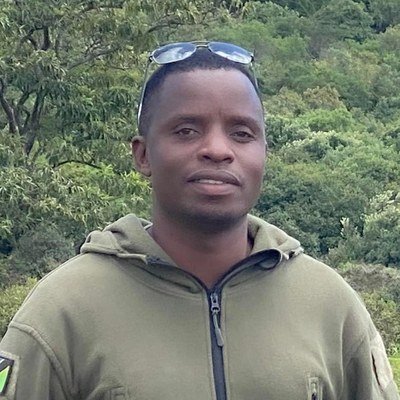 Written by Alphonce Kishoke, Director of Abakombe Tours, Tanzania · Updated November 15, 2026
Altitude, not fitness, is the main reason climbers don't reach Kilimanjaro's summit. Understanding how acclimatisation works will help you climb safely and successfully.
As you climb, there is less oxygen in each breath. Your body adapts over several days by breathing faster and producing more red blood cells. If you climb faster than your body can adapt, you may get altitude sickness.
Mild symptoms are common and usually improve with rest. Severe forms — high altitude pulmonary or cerebral oedema (HAPE or HACE) — are emergencies that require immediate descent. Warning signs include breathlessness at rest, confusion and loss of coordination.
Our guides check every climber twice a day, including blood oxygen levels, carry emergency oxygen and first-aid kits, and will make the call to descend if your health requires it.
Tell us your dates and what you're picturing — we'll reply with a real, tailored quote within 24 hours.
Request a Free Quote 4.6/5 ★★★★★Read us on SafariBookings
Travelling solo or as a couple? Join a shared group climb, meet amazing people, share the adventure and reach the summit together, at a lower price per person.
View Group Climbs