
Published November 9, 2026
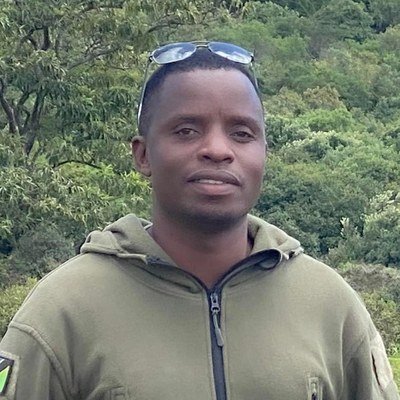 Written by Alphonce Kishoke, Director of Abakombe Tours, Tanzania · Updated November 9, 2026
Altitude sickness is the main reason climbers fail to reach the summit of Kilimanjaro, and it can affect anyone, regardless of age or fitness. The good news is that it is well understood. With the right route, a slow pace and honest communication with your guide, most climbers acclimatise well enough to reach Uhuru Peak at 5,895 metres. This guide explains what happens to your body at altitude, how acclimatisation works, the warning signs to watch for and what to do if symptoms appear.
As you climb, air pressure falls, so each breath contains less oxygen. At the summit of Kilimanjaro there is roughly half the oxygen available at sea level. Your body responds by breathing faster and deeper, raising your heart rate and, over several days, producing more red blood cells to carry oxygen. This process of adapting is called acclimatisation.
Altitude sickness happens when you climb faster than your body can adapt. It usually starts above about 2,500 metres, and on Kilimanjaro almost every climber spends several nights well above that height. That is why the speed of your ascent, not your fitness, is what matters most.
AMS is very common on Kilimanjaro and usually mild. Typical symptoms are:
Mild AMS often improves within a day with rest, fluids, food and a slower pace, and many climbers continue to the summit after it settles. The important rule is that symptoms should be getting better, not worse, before you go higher.
HAPE is a build-up of fluid in the lungs. It is rare but serious. Warning signs include breathlessness even when resting, a persistent cough (sometimes with frothy or pink sputum), a gurgling sound when breathing, chest tightness and unusual weakness. HAPE needs immediate descent and medical care.
HACE is swelling of the brain and the most dangerous form of altitude illness. Signs include confusion, unusual behaviour, loss of coordination (stumbling or being unable to walk in a straight line), a severe headache that does not respond to painkillers, and extreme drowsiness. HACE is a medical emergency and the person must be taken down the mountain straight away.
You cannot train your body to resist altitude at home. What you can do is give it time on the mountain. Good Kilimanjaro itineraries are built around a few simple principles.
Your guides will repeat "pole pole", Swahili for "slowly, slowly", from the very first day. A slow pace keeps your breathing and heart rate under control and gives your body time to adjust. Fit climbers are often the ones who struggle most, because they are used to walking fast.
Some routes are designed so you walk up to a higher point during the day and then descend to sleep. A classic example is the Machame and Lemosho routes, where climbers walk up to the Lava Tower at around 4,600 metres and then drop down to sleep at Barranco Camp, at about 3,900 metres. This gentle exposure to higher altitude, followed by rest lower down, is one of the most effective ways to acclimatise.
Every extra day on the mountain improves your chance of acclimatising well. A 5 or 6 day climb gains height quickly. A 7 or 8 day itinerary, or a route such as Lemosho or the Northern Circuit, spreads the ascent over more nights and is much kinder on your body. See our comparison of 6 days vs 8 days on Kilimanjaro and Kilimanjaro routes compared.
Aim to drink 3 to 4 litres of water a day. Dehydration has symptoms similar to altitude sickness and makes it harder to tell what is going on. Keep eating even when your appetite drops, because your body needs energy to adapt, and rest well at camp in the afternoons.
On a well run climb, your guides check every climber at least twice a day. They ask how you are feeling, look for symptoms and use a pulse oximeter, a small clip on your finger, to measure your blood oxygen saturation and pulse. Oxygen readings naturally fall as you climb, so guides look at the overall picture and how it changes from day to day, alongside how you feel and behave.
These checks only work if you are honest. Tell your guide about a headache, nausea or a bad night's sleep, even if it seems minor. Hiding symptoms to protect your summit chance is the single most dangerous thing a climber can do.
Acetazolamide, often sold as Diamox, is a prescription medicine that can help the body acclimatise faster. Many Kilimanjaro climbers use it, but it is not right for everyone and it has side effects, such as tingling fingers and needing to urinate more often. Talk to your doctor or a travel clinic well before your trip, and never take it without medical advice. It is not a replacement for a sensible itinerary.
Anyone can get altitude sickness, and it is hard to predict who will. Fitness, age and gender do not protect you. The most important risk factors are climbing too fast, having had altitude sickness before, and not drinking enough. If you have a heart or lung condition, see your doctor before booking.
For more on preparing for the climb, read how to climb Kilimanjaro, is it safe to climb Kilimanjaro? and our tips for summit night.
Symptoms can start from around 2,500 metres, and they are most common above 3,500 metres. On most routes you are above this height from the second or third day.
Everyone is different, but your body needs several days to adapt to high altitude. This is why longer itineraries have noticeably better summit rates.
No, but the risk can be greatly reduced by climbing slowly, choosing more days, staying hydrated and, with your doctor's advice, using acetazolamide.
Longer routes such as Lemosho, the 7 day Machame or the Northern Circuit give the best acclimatisation because they gain height gradually and include climb high, sleep low days.
Our Arusha team will help you choose an itinerary with enough days for your body to adapt, whether you climb privately or join one of our group climbs. Request a free quote and we will reply within 24 hours.
Tell us your dates, group size, and what you're picturing — we'll reply with a tailored, honest quote within 24 hours.
Request a Free Quote 4.6/5 ★★★★★Read us on SafariBookings
Travelling solo or as a couple? Join a shared group climb, meet amazing people, share the adventure and reach the summit together, at a lower price per person.
View Group Climbs