
Published November 13, 2026
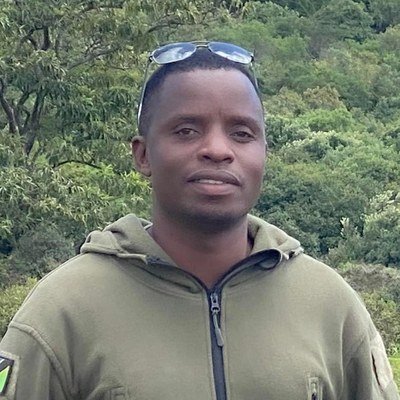 Written by Alphonce Kishoke, Director of Abakombe Tours, Tanzania · Updated November 13, 2026
Kilimanjaro is the highest mountain in Africa at 5,895 metres, yet it needs no ropes, ice axes or technical climbing skills. Every year thousands of people with no mountaineering background walk to the summit. That makes it easy to forget that it is still a very high mountain. So, is it safe to climb Kilimanjaro? For a healthy person who climbs slowly, with an experienced licensed crew and a route that allows time to acclimatise, the answer is yes. The risks are real, but most of them are well understood and can be managed.
This guide explains what the actual dangers are, how a good operator reduces them, and what solo travellers in particular should know before booking.
Climbing Kilimanjaro is generally safe when three things are in place:
Most serious problems on Kilimanjaro happen when one of these is missing: a rushed itinerary, a budget crew without proper training, or a climber who pushes on with worsening symptoms.
Kilimanjaro is not dangerous because of cliffs or avalanches. It is dangerous because of the thin air. At the summit there is roughly half the oxygen available at sea level. Your body can adapt to this, but only if it is given time.
Most climbers feel some effect of altitude: a headache, poor appetite, tiredness or trouble sleeping. Mild AMS is common and usually improves with rest, fluids and a slower pace. It becomes a concern when symptoms get worse instead of better, especially if they continue while you are resting.
In rare cases altitude sickness becomes serious. High altitude pulmonary oedema (HAPE) is fluid on the lungs, and high altitude cerebral oedema (HACE) is swelling of the brain. Warning signs include breathlessness at rest, a persistent cough, confusion, loss of coordination and extreme drowsiness. Both are medical emergencies. The treatment is immediate descent, and this is why the experience and judgement of your guides matters so much.
You can read more about the signs and prevention in our guide to altitude sickness on Kilimanjaro.
You pass through five climate zones on the way up, from warm farmland to arctic conditions at the summit. Summit night usually starts around midnight, and temperatures near the top can fall well below freezing, with strong wind making it feel colder. Proper layers, a warm sleeping bag and dry clothing prevent hypothermia and frostbite. Our Kilimanjaro packing list covers exactly what to bring, and Kilimanjaro weather by month helps you choose when to go.
Most of the trail is a steep walk rather than a climb. A few sections, such as the Barranco Wall on the Machame and Lemosho routes, involve some easy scrambling with your hands. These are safe when taken slowly with a guide close by. Trekking poles and good boots make a real difference on the loose scree of the descent.
Summit day can last 12 to 15 hours of walking. Poor sleep, little appetite and the effort of breathing at altitude add up. Eating even when you are not hungry, drinking regularly and resting well in the days before the summit attempt all reduce the risk.
Stomach problems can end a climb early. Drinking water on the mountain should always be treated or boiled, and a good crew follows strict hygiene when cooking.
Kilimanjaro National Park rules require every climber to go with a licensed guide, so you will never be alone on the mountain. But crews vary a great deal. Before you book with any company, ask these questions:
If you have questions about how we run our climbs, our Arusha team is happy to answer them before you commit to anything.
Yes. Climbing "solo" on Kilimanjaro never means climbing alone. You will always have at least a guide, a cook and porters with you, and the guide's whole job is your safety and progress. Many solo travellers find this is one of the most supported adventures they have ever done.
Solo climbers have two main options:
Many women climb Kilimanjaro on their own every year. Choose an established operator, ask whether you will have your own tent, and do not hesitate to raise any concern with your lead guide. Our guide to solo female travel in Tanzania has more practical advice, and is Tanzania safe for tourists? covers your time off the mountain.
Most reasonably fit people can climb Kilimanjaro, but you should see a doctor before booking if you have a heart or lung condition, high blood pressure, diabetes, are pregnant, or have had problems at altitude before. Your doctor can also advise whether medication such as acetazolamide (Diamox) is suitable for you. Never take it without medical advice.
Make sure your travel insurance specifically covers trekking up to 6,000 metres and includes emergency evacuation and medical treatment. Many standard policies stop at a lower altitude, so check the small print before you travel.
It is far less technical than mountains such as Everest or Aconcagua, and you do not need climbing experience. The main danger is altitude, and that is managed by climbing slowly and choosing a longer route.
You need good general fitness and the ability to walk for several hours a day on consecutive days. Fitness does not protect you from altitude sickness, though, so even very fit climbers must go slowly. Read how hard is it to climb Kilimanjaro?
Safety depends more on the number of days than on the route name. Longer itineraries on routes such as Lemosho, Machame or the Northern Circuit give the best acclimatisation.
Yes. Most people who climb Kilimanjaro are not experienced mountaineers. Good preparation, the right gear and an experienced crew matter much more than previous climbing experience.
Whether you want to climb privately or join a group, our Arusha-based team will help you choose a route with enough time to acclimatise and answer every safety question you have. Request a free quote and we will reply within 24 hours.
Tell us your dates, group size, and what you're picturing — we'll reply with a tailored, honest quote within 24 hours.
Request a Free Quote 4.6/5 ★★★★★Read us on SafariBookings
Travelling solo or as a couple? Join a shared group climb, meet amazing people, share the adventure and reach the summit together, at a lower price per person.
View Group Climbs