
What daily life on a Kilimanjaro climb is really like
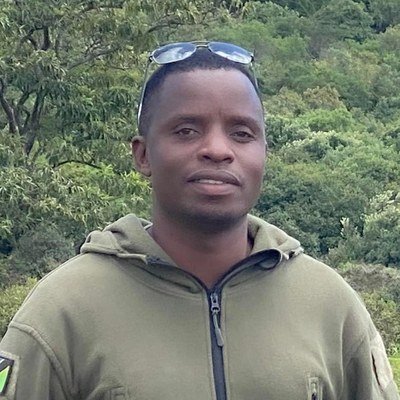 Written by Alphonce Kishoke, Director of Abakombe Tours, Tanzania · Updated November 15, 2026
Many first-time climbers wonder what life is actually like on Kilimanjaro. Here is a typical day on the mountain with an Abakombe Tours crew.
Around 6:30 a.m. a crew member brings tea or coffee and a bowl of warm washing water to your tent. After packing your day bag, you have a hot breakfast — porridge, eggs, toast and fruit — in the mess tent.
You start walking around 8 a.m. with your guides. The pace is deliberately slow — "pole pole" (slowly, slowly) — to help your body adjust to the altitude. Porters carry the tents, food and your main bag, and usually overtake you to set up the next camp.
Lunch is either a hot meal at camp or a packed lunch on the trail, depending on the day.
You arrive at camp in the early or mid-afternoon to find your tent ready. There is time to rest, have snacks and tea, and on some days take a short acclimatisation walk to a higher point before sleeping lower.
Dinner is served in the mess tent — soup, a main course with carbohydrates and vegetables, and fruit. Your lead guide checks your health, including oxygen levels, and briefs you on the next day.
You sleep in sturdy mountain tents on foam mattresses. Most operators, including us, bring a private portable toilet tent, so you don't depend on the basic public toilets.
On summit night you wake around 11 p.m., climb through the night by headlamp, and reach the crater rim and Uhuru Peak around sunrise. It is the hardest part of the climb — and the most unforgettable.
Related: How hard is Kilimanjaro? · Acclimatisation
Tell us your dates and what you're picturing — we'll reply with a real, tailored quote within 24 hours.
Request a Free Quote 4.6/5 ★★★★★Read us on SafariBookings
Travelling solo or as a couple? Join a shared group climb, meet amazing people, share the adventure and reach the summit together, at a lower price per person.
View Group Climbs