EN ▾
U.S. Dollar ▾
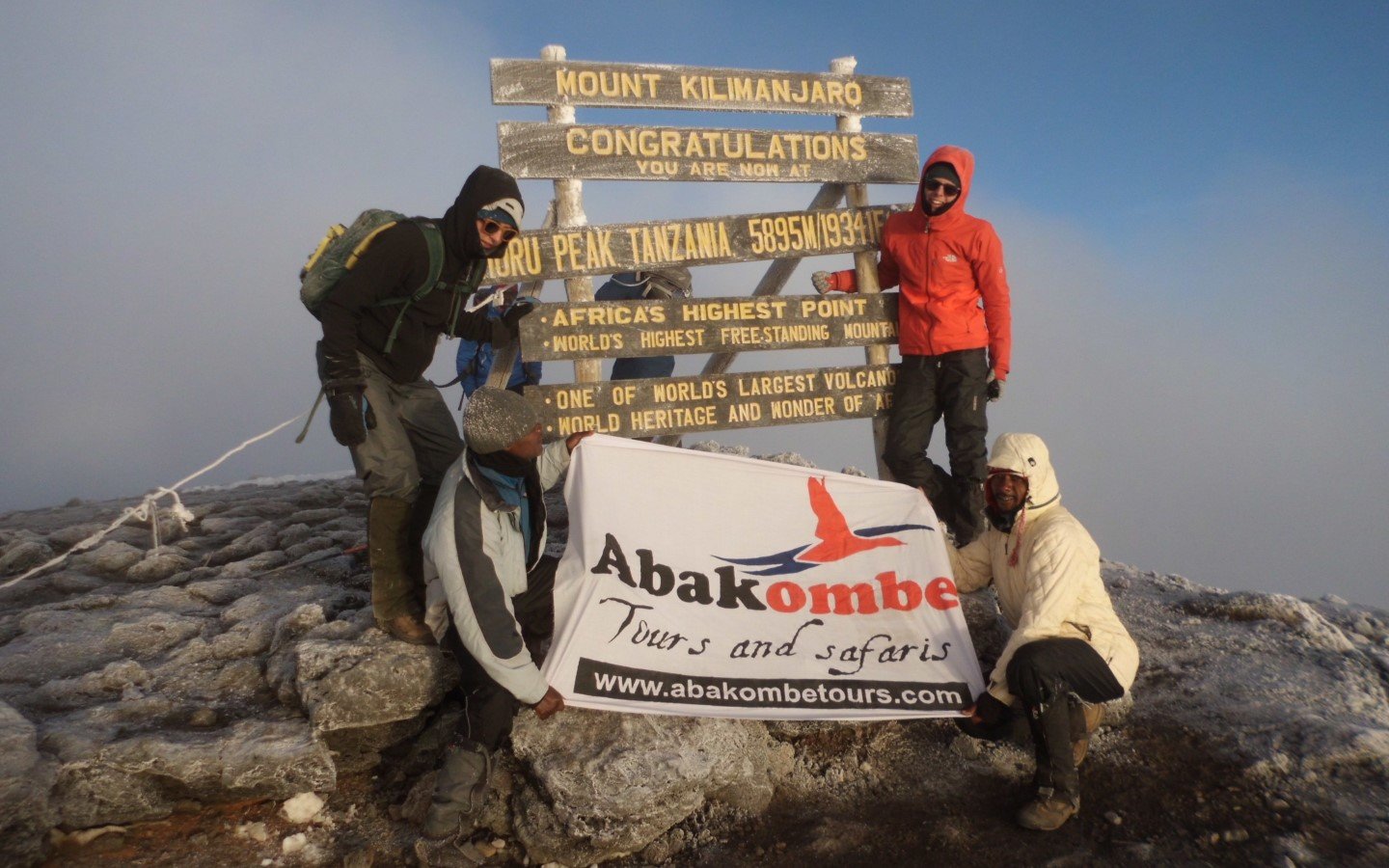
Altitude sickness is the single biggest challenge on Kilimanjaro — the summit sits at 5,895m, well above the altitude where altitude-related illness becomes a genuine risk for most people, regardless of fitness level.
Common mild symptoms include headache, nausea, fatigue and dizziness. These are common and usually manageable by resting, hydrating, and not ascending further until they ease. More serious symptoms — confusion, severe shortness of breath at rest, loss of coordination, or a persistent cough — are medical emergencies requiring immediate descent.
The most effective way to reduce your risk is choosing a longer itinerary with proper acclimatization days built in, climbing slowly, staying well hydrated, and being honest with your guide about how you're feeling. Speak with your doctor before your climb about altitude sickness medication and whether it's appropriate for you.
Every Abakombe guide is trained to monitor climbers for altitude symptoms and has the authority to turn a climber back if needed for their safety — see our full Kilimanjaro safety guide for more on how we manage this on every climb. Contact us with any health questions before booking.
Our team is based in Arusha and answers travel questions directly — no call center, no scripts.
Contact Us REPLACE_ME ★★★★★
Based on REPLACE_ME reviews on SafariBookings
REPLACE_ME ★★★★★
Based on REPLACE_ME reviews on SafariBookings