EN ▾
U.S. Dollar ▾
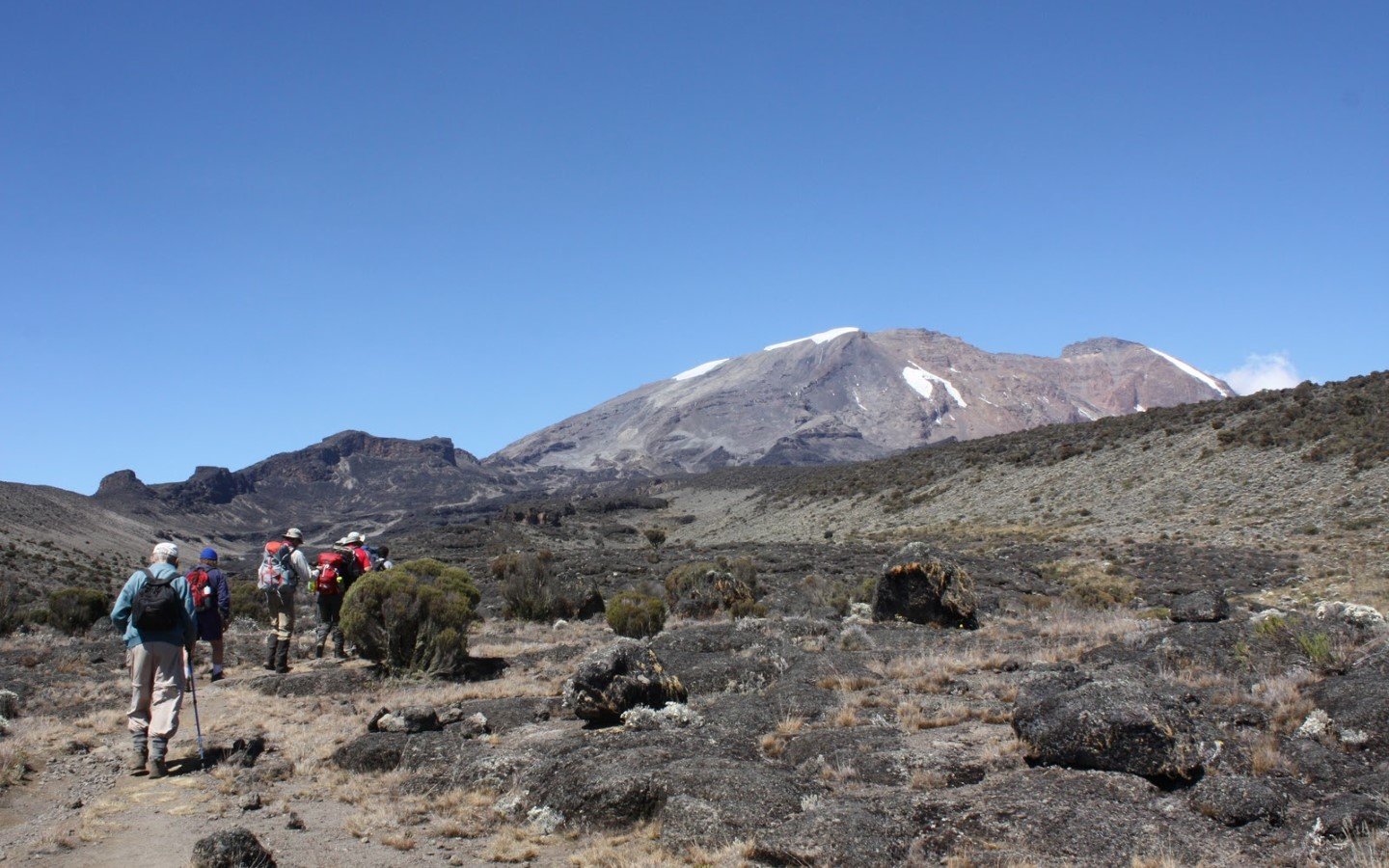
Kilimanjaro is a non-technical climb — no ropes or climbing experience required — but it's a serious undertaking because of the altitude, not the terrain. The biggest real risk is altitude sickness, which is best managed by choosing a longer route with proper acclimatization days, climbing at a slow pace, staying hydrated, and being willing to turn back if symptoms become severe.
A few general safety practices we follow on every Abakombe climb: daily health checks by your guide, pulse oximeter readings at altitude, a clear turnaround policy if a climber shows signs of serious altitude illness, and radio contact with the base in case of emergency evacuation. Our guides and porters are trained specifically for these situations, not just for leading the route.
Always consult your own doctor before the climb, particularly if you have any pre-existing heart, lung, or blood pressure conditions, and make sure your travel insurance genuinely covers high-altitude trekking. Contact us with any specific health questions about your trip.
Our team is based in Arusha and answers travel questions directly — no call center, no scripts.
Contact Us REPLACE_ME ★★★★★
Based on REPLACE_ME reviews on SafariBookings
REPLACE_ME ★★★★★
Based on REPLACE_ME reviews on SafariBookings